Start writing here...
"Cup of Change" – Menstrual Hygiene & Menstrual Cup Awareness Session
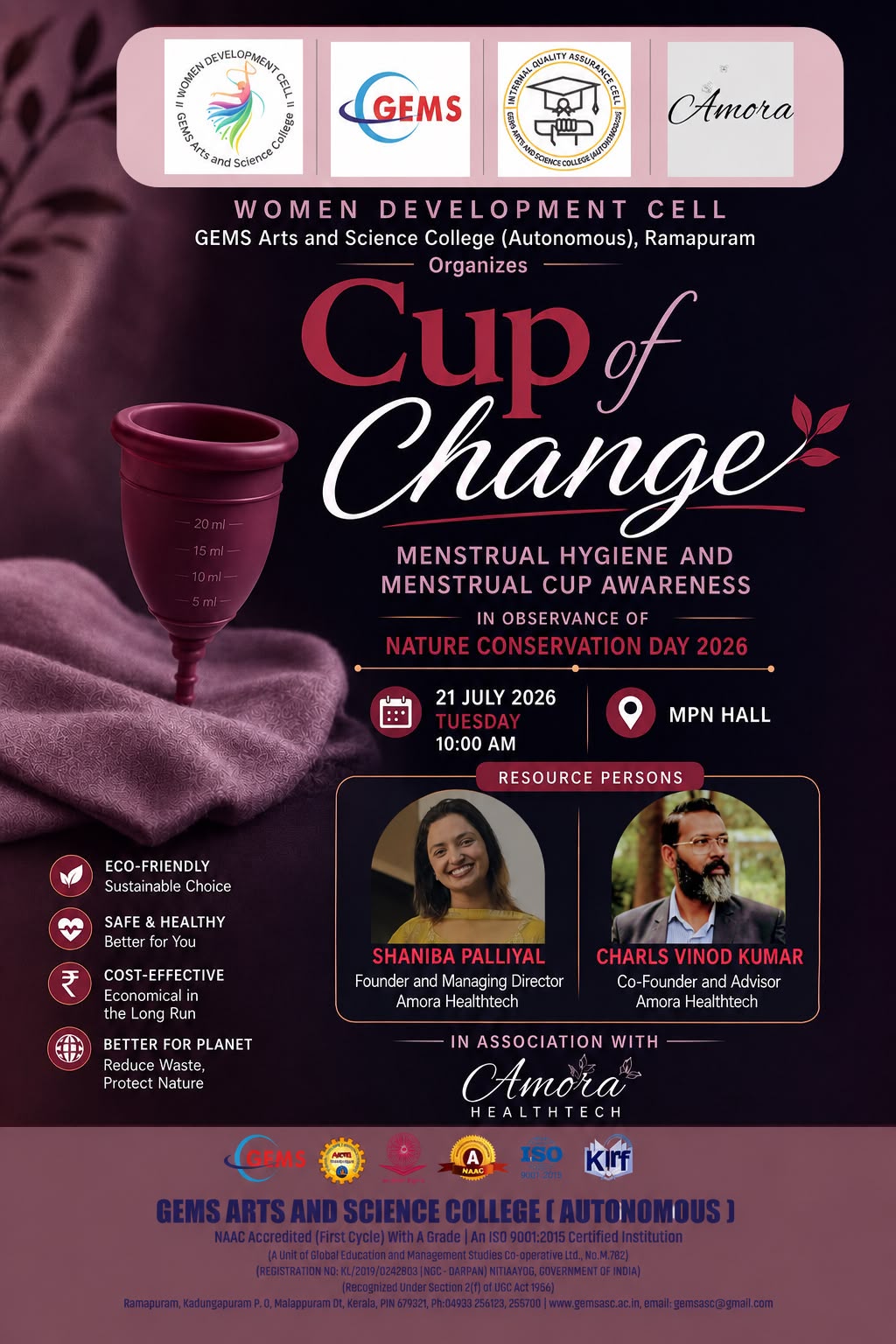
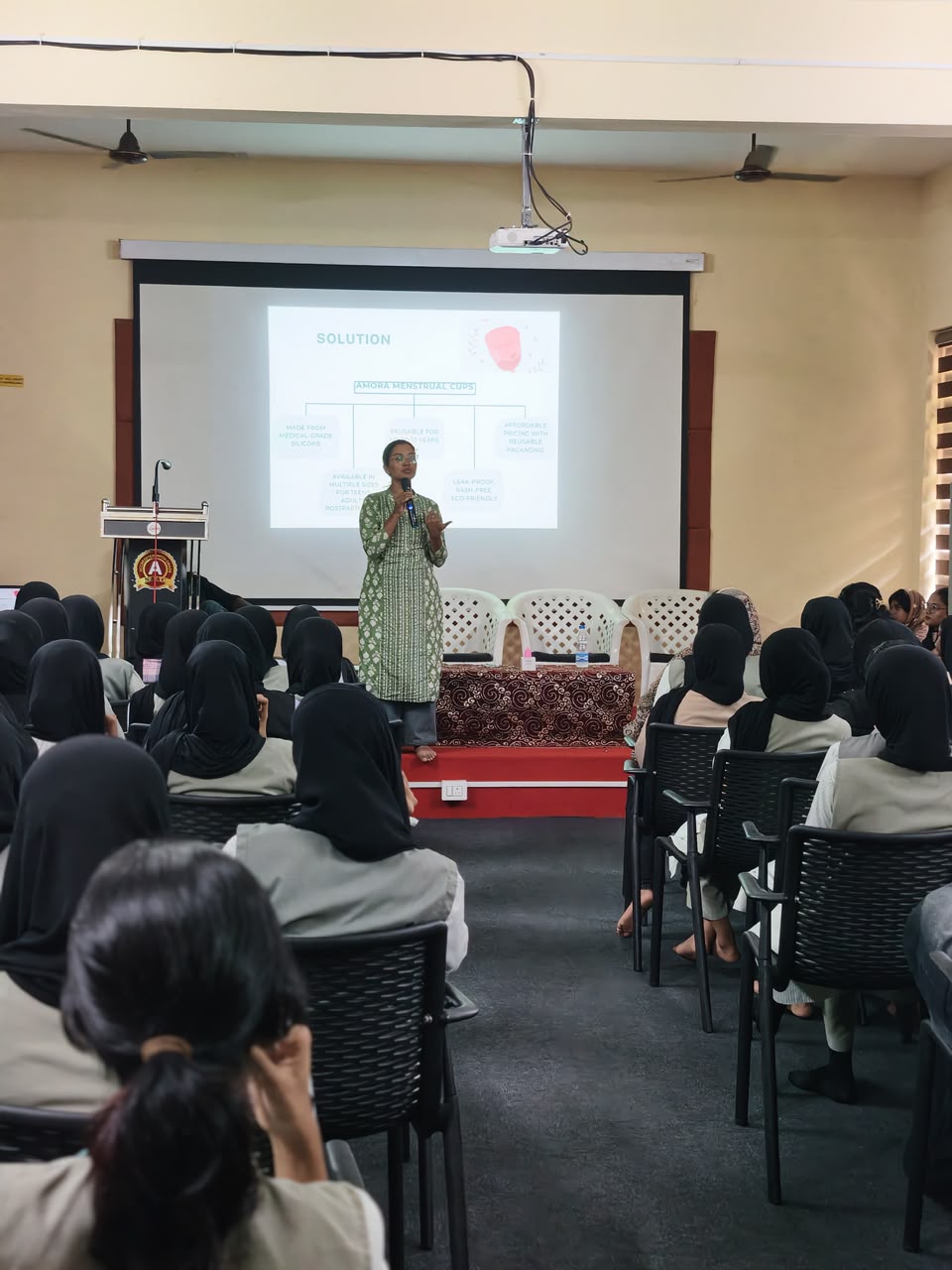
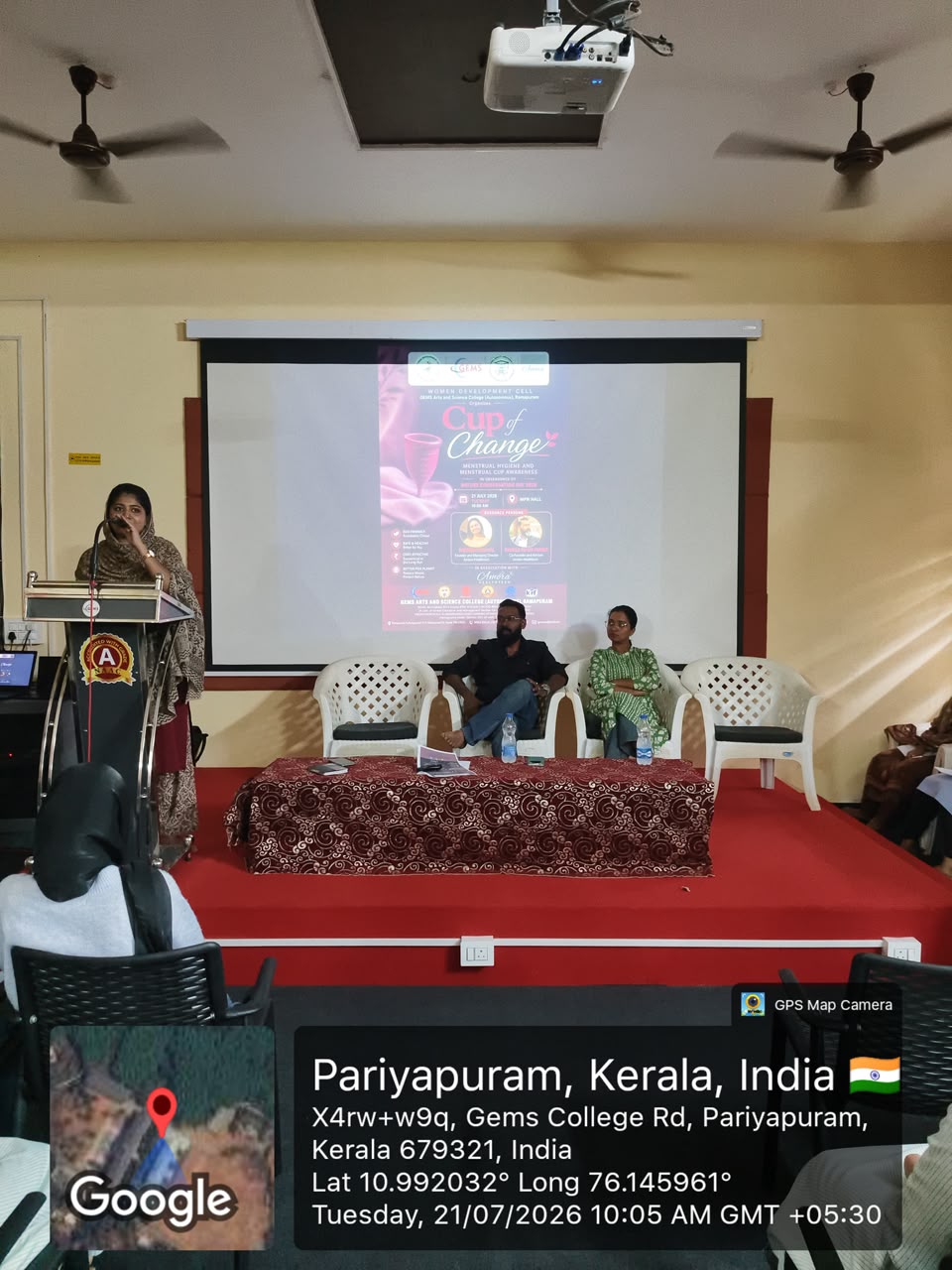
The Women Development Cell of GEMS Arts and Science College (Autonomous), in association with Amora Healthtech, successfully organized "Cup of Change", an awareness session on Menstrual Hygiene and Menstrual Cup, at MPN Hall. The event witnessed the enthusiastic participation of over 125 students and volunteers, making it one of the most impactful health initiatives.
The core objective of "Cup of Change" was to create a space where menstruation could be discussed openly, factually, and without stigma. The session aimed to move beyond silence and misinformation by focusing on two key areas like personal health and environmental responsibility. Participants were introduced to scientific facts about menstrual hygiene, common health risks caused by poor practices, and practical ways to manage menstruation safely. A major focus was also placed on sustainable menstrual practices, with menstrual cups presented as a reusable, cost-effective, and eco-friendly alternative to conventional disposable products.
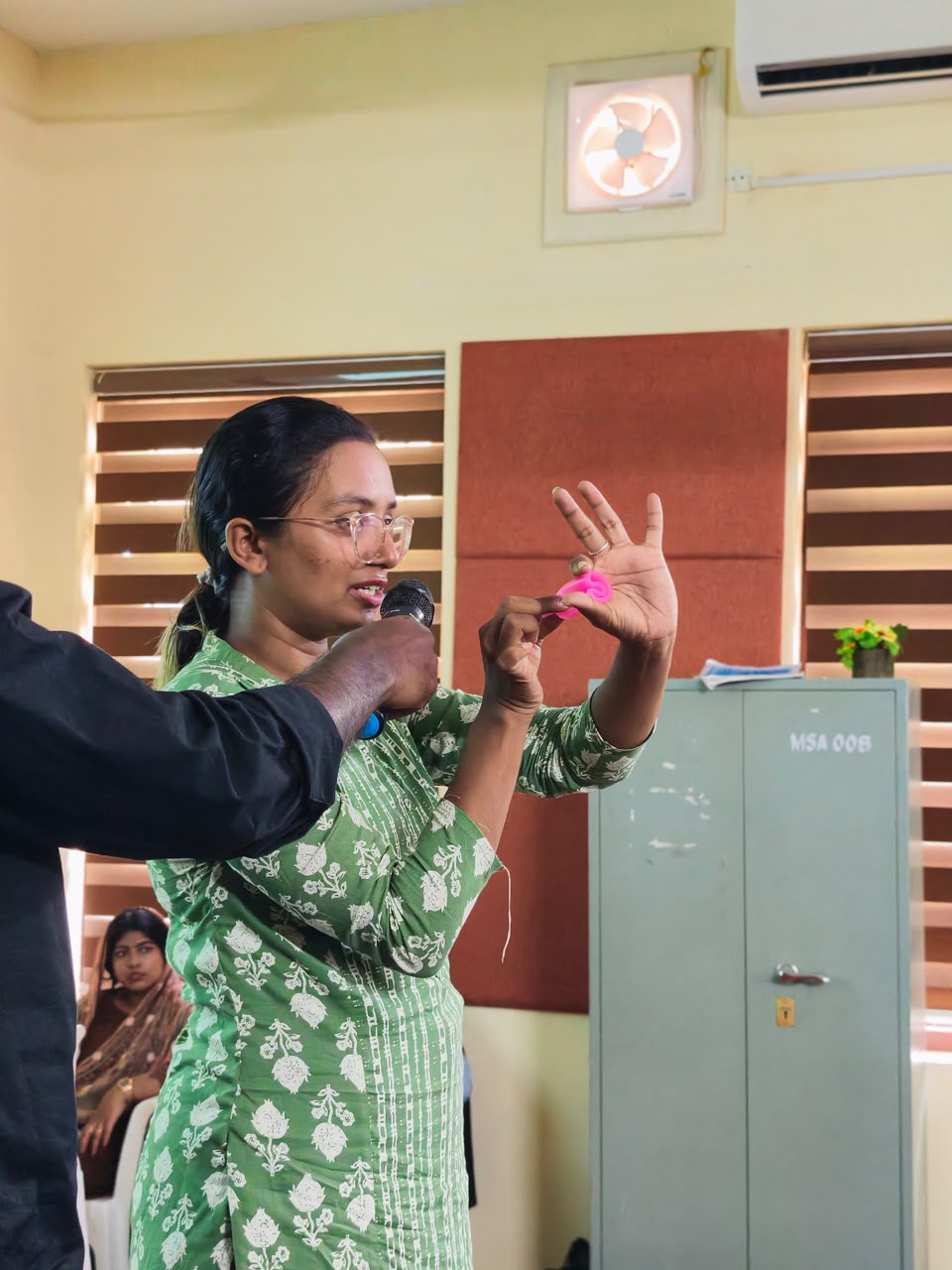
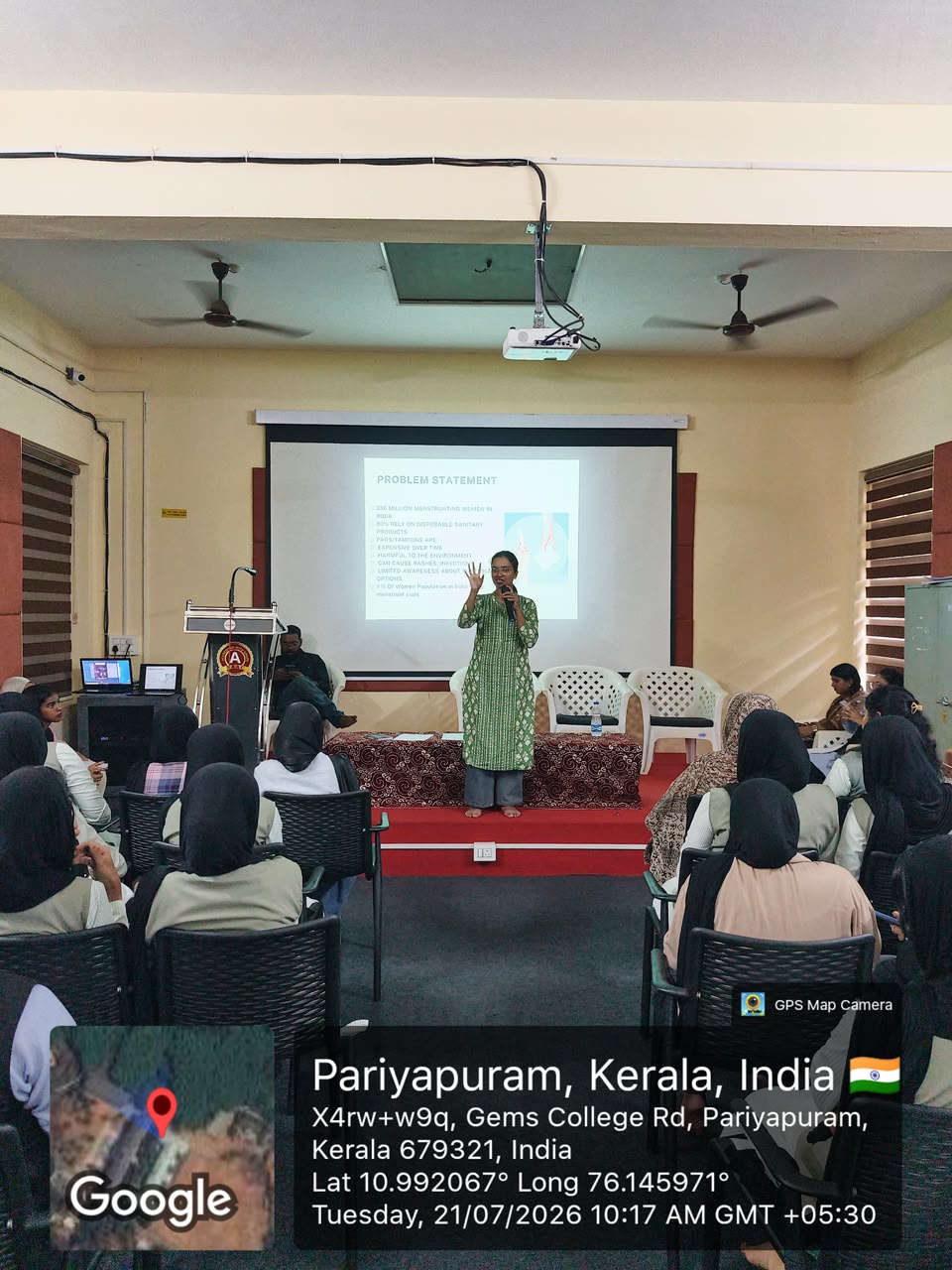
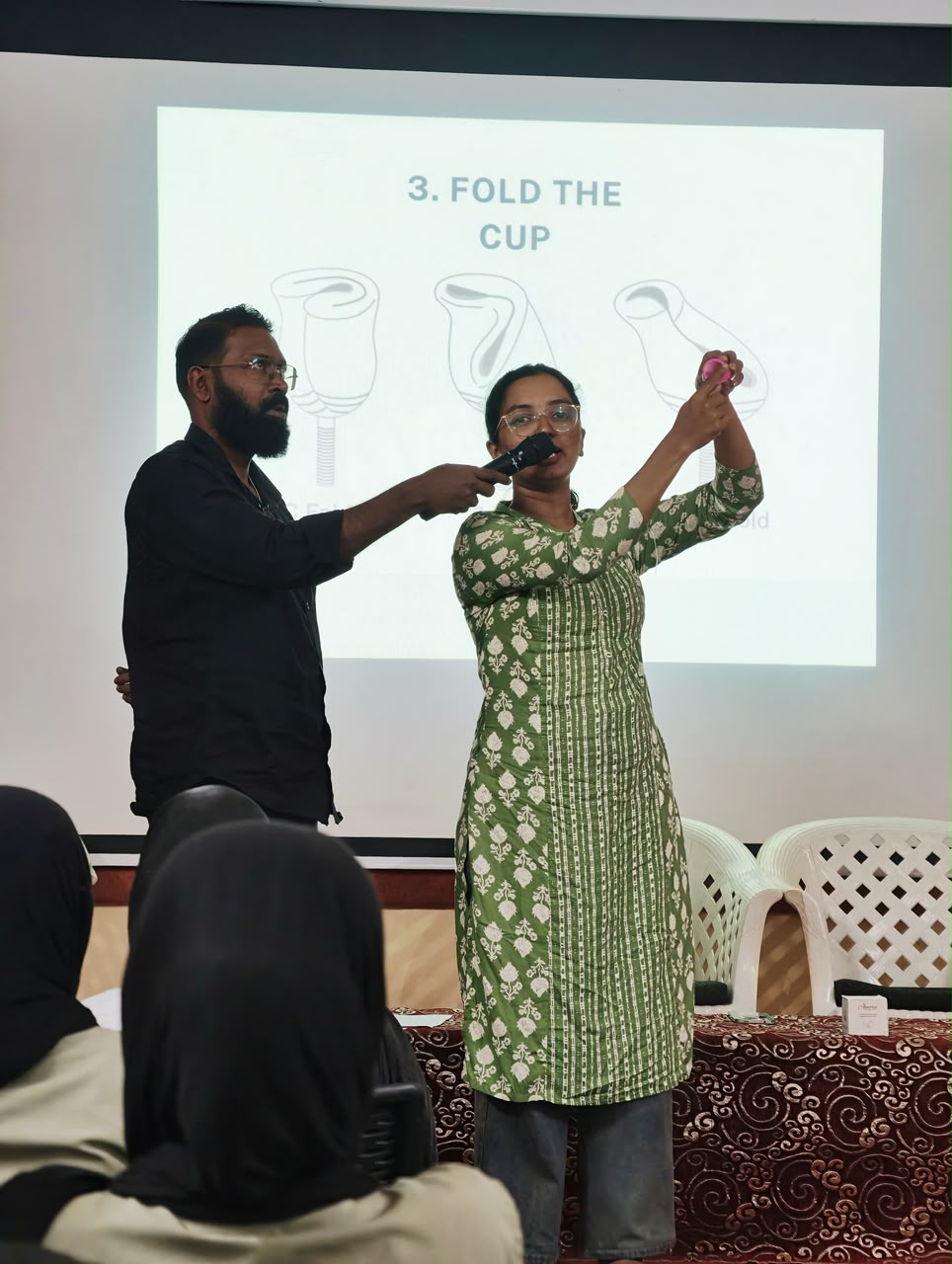
The session was led by Ms. Shaniba Palliyal and Mr. Charles Vinod Kumar from Amora Healthtech. Through an engaging combination of awareness talks, live demonstrations, and open discussions, they addressed questions that are often considered taboo. The demonstration covered everything from understanding different types of cups, to folding techniques, insertion, removal, and proper cleaning and maintenance. This hands-on approach helped demystify the product and built confidence among participants.
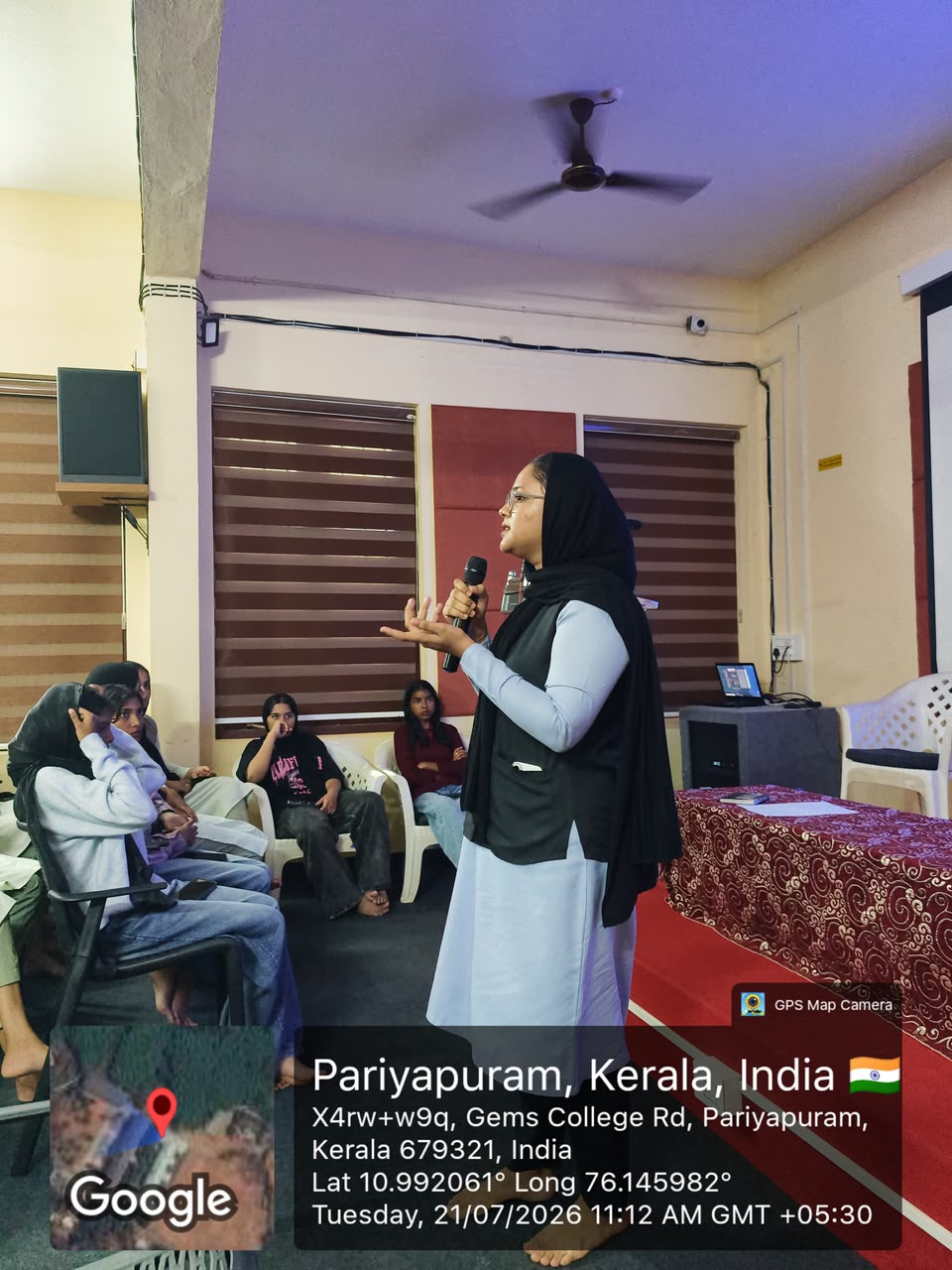
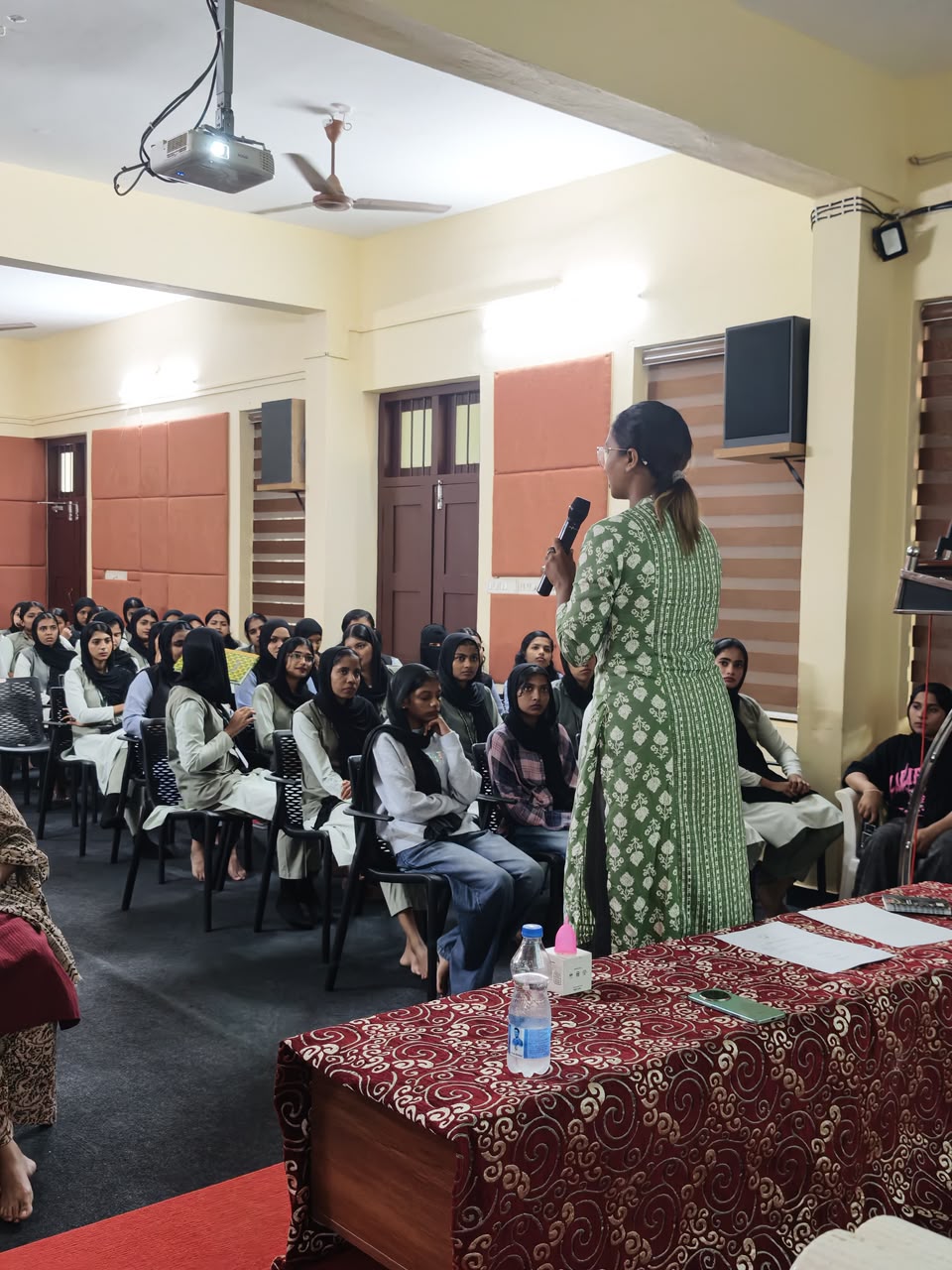
What made the session truly impactful was the atmosphere of openness it created. Students asked questions freely, shared concerns, and actively participated in busting myths that have long surrounded menstruation. The discussion also highlighted the environmental burden of single-use sanitary products and how small individual choices can contribute to larger ecological benefits.
With 125+ participants, "Cup of Change" achieved its objective of spreading awareness, encouraging informed choices, and starting honest conversations. The event ended with participants leaving not just with information, but with a shift in perspective, from hesitation to understanding, from stigma to acceptance, and from wasteful habits to sustainable ones.
30 July, 2026